ChocoHouse is a workshop that reflects the face of our close-knit community and evokes the neighborhood atmosphere and human harmony typical of our villages.
We want to give you the opportunity to hear the echo of the ancient chocolate-making craft, to experience a 360-degree sensory journey, and to take home not just a product of our tradition, but a story to tell.
We have recreated, as was done in workshops of the past, a place for dialogue and sharing.
Our chocolate is produced in an ecological way.
Tradition, craftsmanship, and respect for nature — this is how true Sicilian chocolate is born.
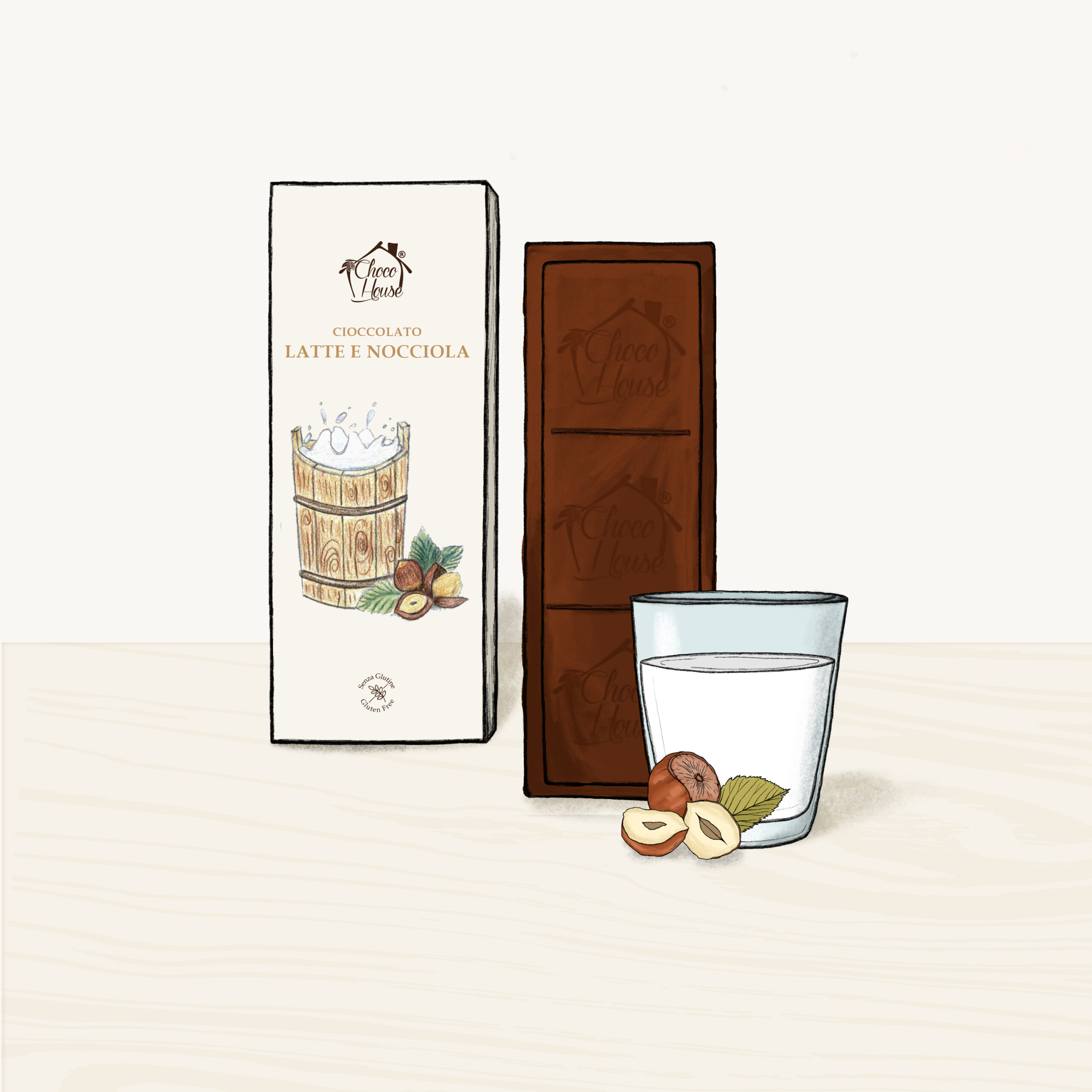
We respect nature and use only selected organic ingredients.
Our chocolate bars are hand-wrapped, without plastic or aluminum.
The boxes are made from citrus waste, with a low environmental impact.
Cocoa, the foundation of chocolate, was discovered by Europeans in 1502, the year Christopher Columbus — during his last voyage to Latin America — tasted a cocoa-based drink.
Upon his return, he brought some seeds of this plant to show to the Spanish royalty, though he didn’t give much importance to the discovery, perhaps because he was not particularly impressed by the bitter taste of the drink.
In 1528, Hernán Cortés — after conquering Mexico — amazed by the tirelessness of the indigenous people and recognizing it in their diet, sent the first sacks of cocoa to Spain, sparking strong interest among botanists for these exotic seeds.
Legend has it that the Aztec King Montezuma himself had Cortés taste a cocoa-based drink, which was highly appreciated by the conqueror.
At that time, chocolate was still served as a drink, but Europeans, particularly some Spanish monks, added vanilla and sugar to balance its natural acidity.
Throughout the 16th century, it remained exclusive to Spain. The traditional processing was later imported to Southeastern Sicily, which was then under Spanish rule.
In 1606, chocolate production began in Florence, Venice, and Turin. From 1615, Anna of Austria introduced it to France, and only in 1650 did it start being sold in England as well.
In the 17th century, it became a widespread luxury among European nobility. The Dutch, skilled navigators, eventually wrested global control from the Spanish.
At ChocoHouse, 95% of our team are women, because we believe in equality and opportunities.